Our Story
Two centuries of Glencoe, held tightly and lived in deeply.
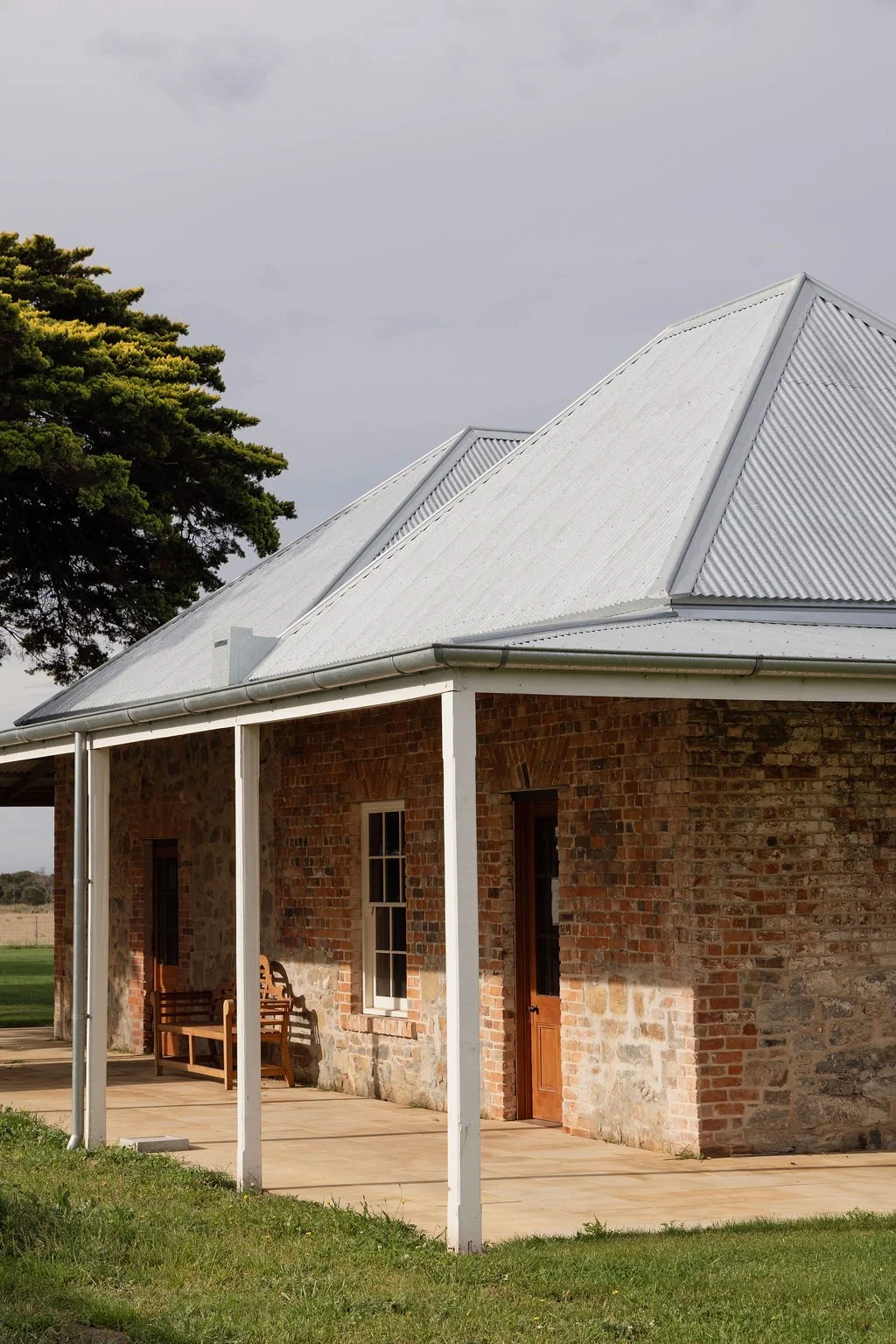
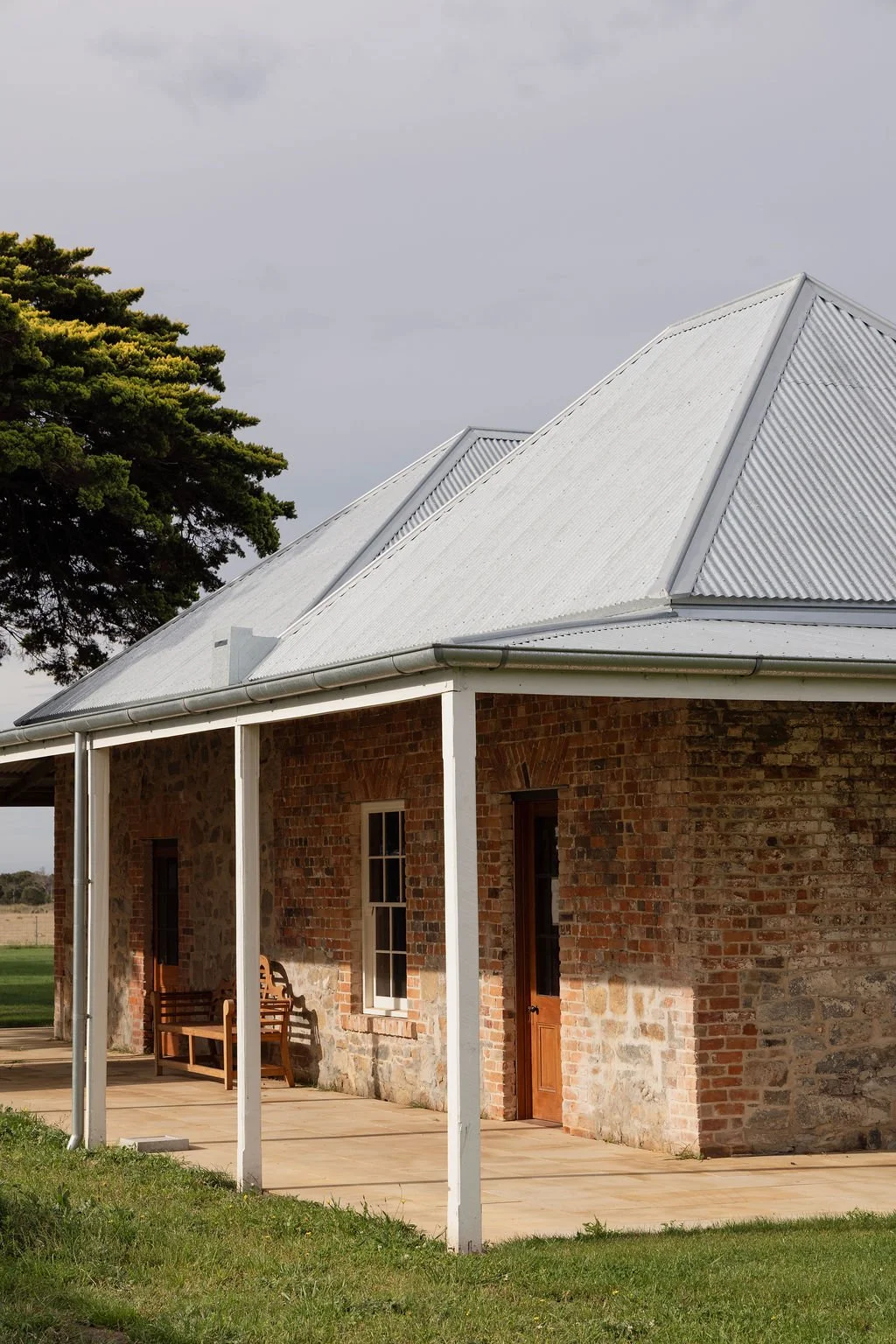
Glencoe is one of Tasmania’s oldest surviving homesteads, standing on the east coast since 1820. Originally part of a vast colonial landholding, it passed from Dr John Henderson to the McIntyre family in 1841, who gave it the name it still carries today. In the two centuries since, Glencoe has only changed hands five times. That continuity is not incidental; the location, history and character of Glencoe form an unavoidable magnetic pull that draws you in and makes you want to stay.
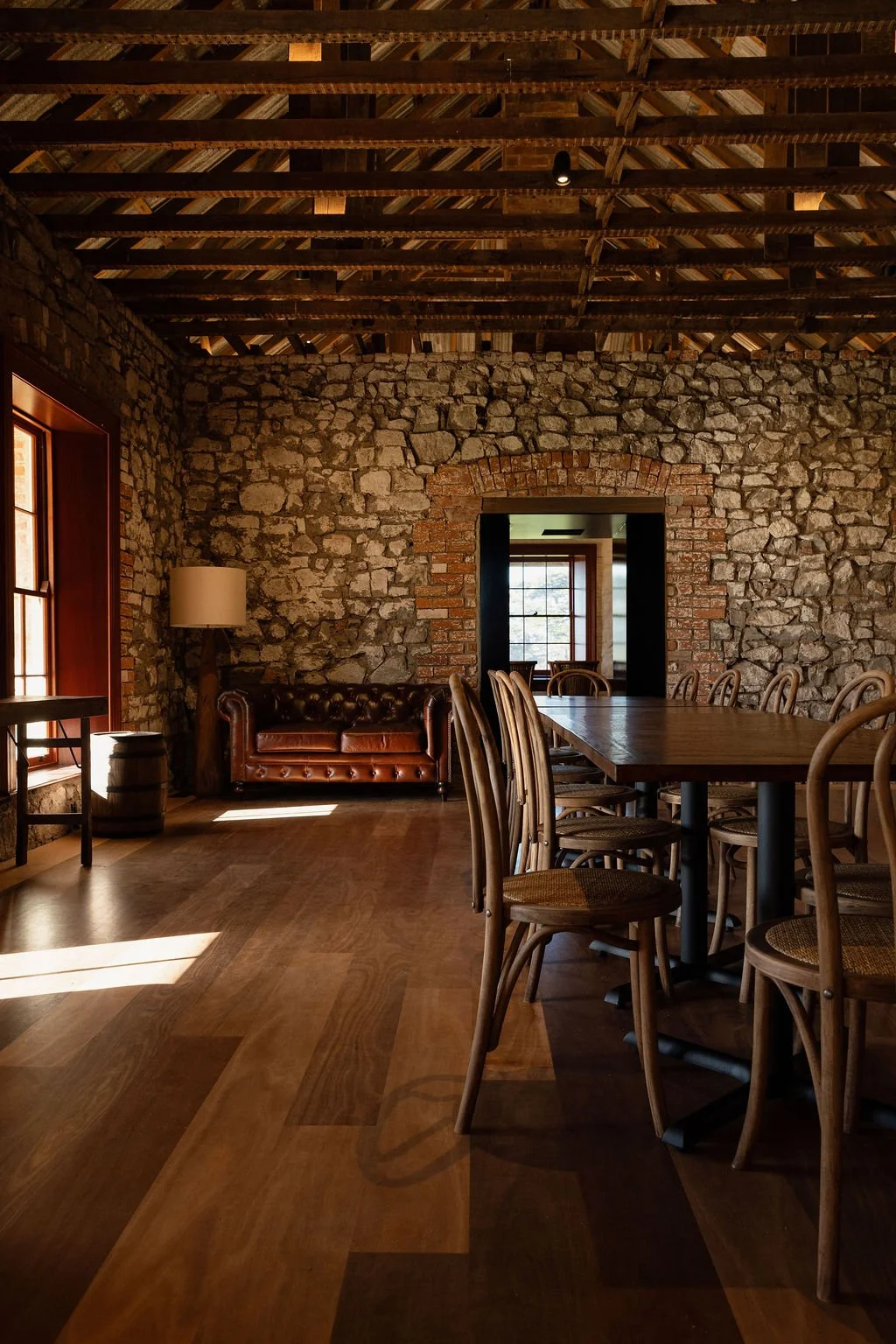
Russell and Jane Hookway became the most recent custodians of the property in 2016, after more than three decades searching for the right opportunity. In 2020, they began restoring the homestead. An ambitious and deeply considered project to preserve the building’s legacy while reimagining its future. Throughout the restoration, Glencoe’s earliest layers were revealed. The original shingle roofing is still intact beneath the rafters, visible today in what is now the history room. The stone, brick, and timber that hold Glencoe together were never imported. They came from the surrounding land itself.
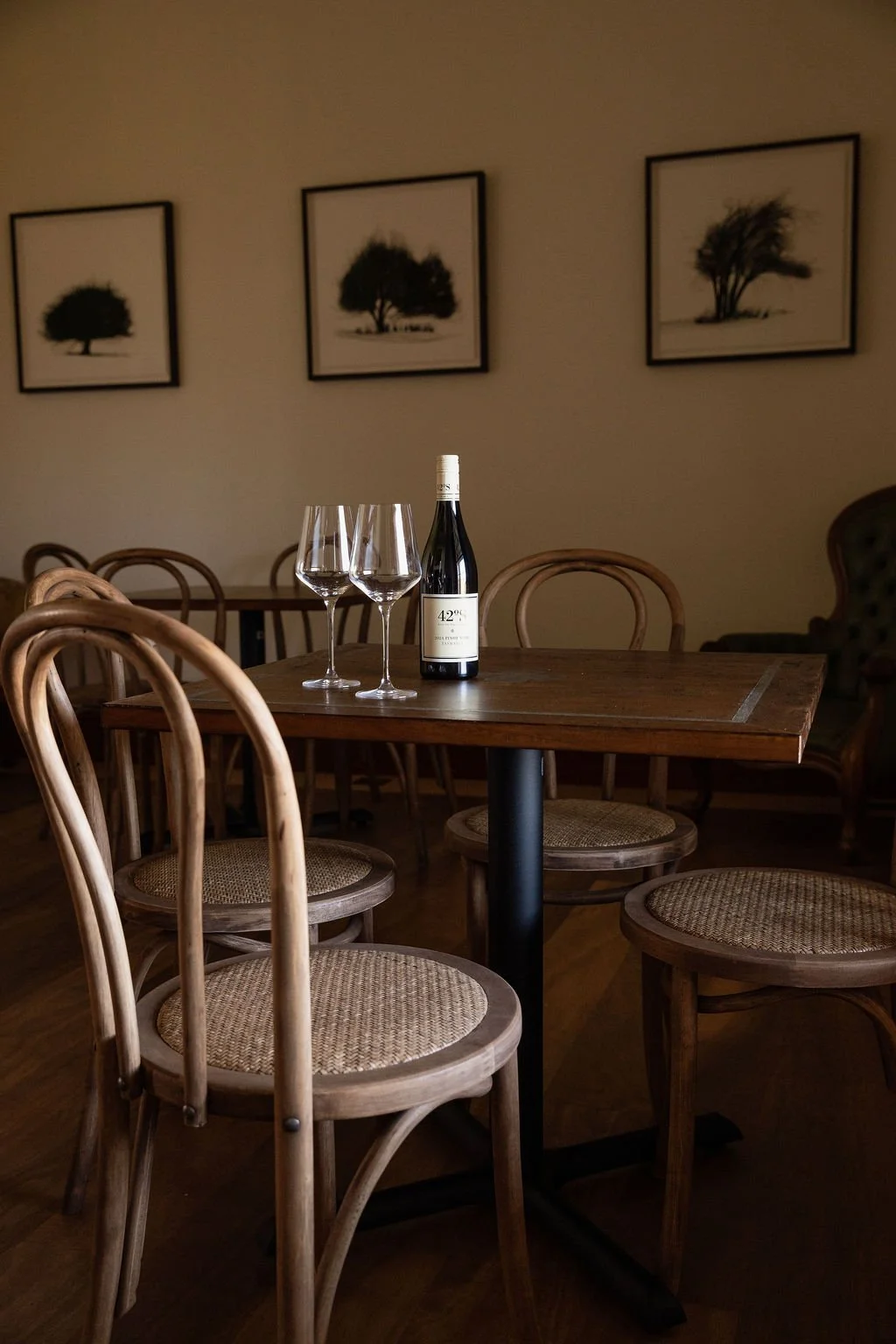
Today, Glencoe has been thoughtfully revived as a destination that blends heritage with hospitality. It is home to an events venue, a restaurant, farm tours, and a shopfront, all grounded in the surrounding landscape.
The Farm
A working farm that opens its doors.
Glencoe is not a replica of the past. It is the past, still functioning. The homestead sits amongst sweeping grass lawns with uninterrupted views across paddocks toward the mountain backdrop of St Patrick’s Head, Germantown and The Sisters. It’s a landscape that feels genuinely unchanged because, in many ways, it is.
Today, the property operates as a destination in the truest Tasmanian sense, combining life on the land with the beauty of the east coast. The farm itself is a mixed enterprise of dual-purpose Merino sheep and Angus cattle that remains very much at work. The original dairy buildings still stand. The paddocks are still grazed. Visitors don’t observe the land from a distance here; they experience the beating heart of the farm firsthand.
The Wool
From east coast pastures to fibre worth following around the world.
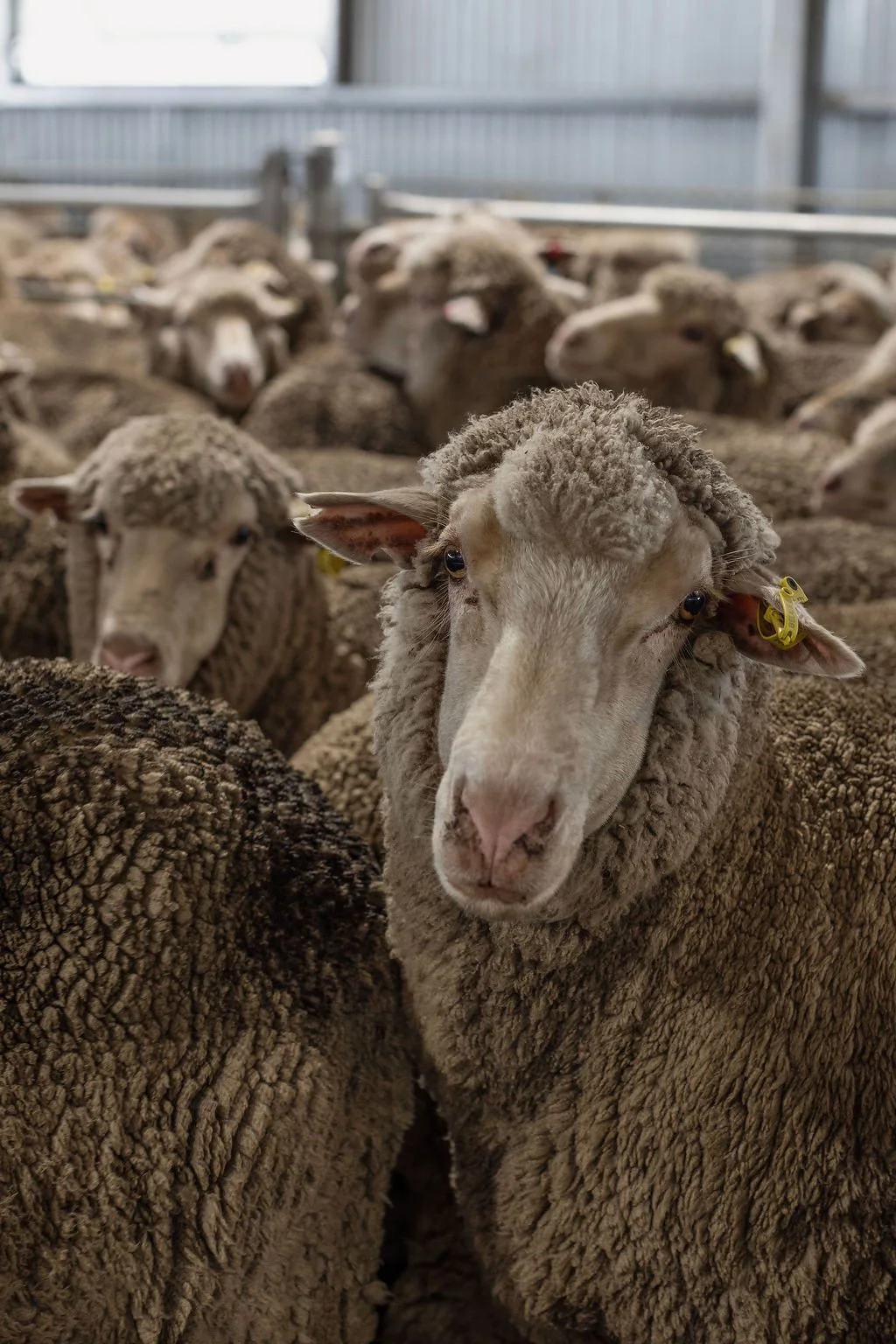
Tasmania’s east coast has long been considered prime Merino country. The native grasses, mild climate and clean air produce a fleece of uncommon quality. At Glencoe, every decision in the process is made to honour that. Our flock is a self-replacing Merino enterprise, producing wool around 18-20 microns; fine enough for the most considered garments, strong enough to arrive intact.
Through shearing twice a year, we have found a rhythm that yields low-vegetable-matter, high-strength fibre while protecting animal welfare and reducing the risk of disease. A wool classer works the table, sorting each fleece by staple length, colour and strength before it leaves the property. Once packed, the bales travel to Launceston for testing, then to Melbourne for auction and ultimately into the hands of fashion houses, makers and third-party distributors globally.
At Glencoe, our priority is land as much as fibre. The restoration of plantation land to pasture and the ongoing improvement of soil fertility ensure the paddocks can support our flock in every season. Wool grown this way needs no embellishment. The story is in the fibre.